
Why Does Your Dog Dig? Understanding the Behaviour and What You Can Do About It
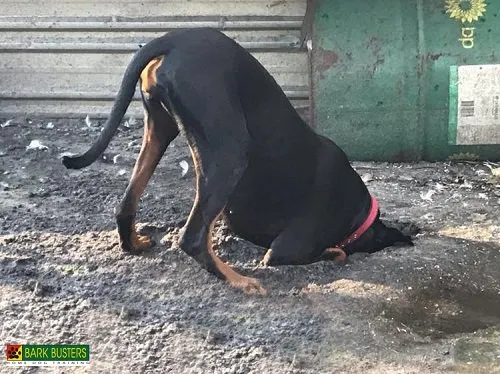
Does your dog dig? Many owners accept it as “just what dogs do,” and while digging can certainly be a normal canine behaviour, it’s not always something to ignore. Sometimes it’s simply a fun pastime or a breed trait — but in other cases, digging can be a sign that your dog is trying to meet a need you may not have noticed yet.
Dogs dig for a variety of reasons, and some of them might surprise you.
________________________________________________________________________________________________________________________
Boredom
This is the reason most owners think of first. If your dog spends long hours alone, they may dig to entertain themselves or burn off excess energy. You might come home to a yard full of holes simply because your dog had nothing else to do.
To help prevent boredom digging, offer plenty of enrichment:
- Rotating new toys
- Kongs filled with dog‑friendly paste
- The popular GameChanger® toy
- A sandpit with hidden treats
- A midday visit from a dog walker or family member
A tired, mentally stimulated dog is far less likely to create their own entertainment.
_______________________________________________________________________________________________________________________
Nervousness or Separation Anxiety
Dogs are social animals who thrive on companionship. Being left alone in a quiet house or yard can make some dogs anxious, and digging may become a way to cope with that stress.
You can help your dog feel more secure by:
- Leaving a radio or TV on for comforting background noise
- Using a two‑way doggy cam to reassure them throughout the day
- Asking a friend or family member to stop by and break up long stretches of alone time
These small adjustments can make a big difference in your dog’s confidence.
_______________________________________________________________________________________________________________________
Investigating Rodents or Underground Sounds
Dogs hear four times better than humans — including frequencies we can’t detect. While your dog is outside, they may hear movement underground and instinctively dig to investigate.
Instead of fighting this natural behaviour, consider channelling it:
- Create a designated digging zone
- Bury toys or treats for them to “discover”
- Encourage exploration within boundaries you set
This gives your dog an outlet without sacrificing your entire yard.
_______________________________________________________________________________________________________________________
Escaping the Heat
Dogs can overheat quickly, and digging a cool patch of earth is an instinctive way to regulate their temperature. If your dog doesn’t have a comfortable place to rest, they may create one.
To prevent heat‑related digging, ensure your dog has:
- Access to an air‑conditioned area or shaded space
- Plenty of cool water
- A frozen treat block (4L ice‑cream container + water + can of tuna, frozen solid)
- A quick lunchtime hose‑down if you’re able to pop home
These simple steps help keep your dog safe and comfortable on hot days.
______________________________________________________________________________________________________________________
Nutrition Deficiencies
It may sound surprising, but incomplete nutrition can lead to digging. If your dog isn’t receiving the right balance of amino acids, proteins, fats, fibre, vitamins, and minerals, they may instinctively search for nutrients in the soil.
Make sure your dog is eating a complete, balanced diet — and consult your veterinarian if you’re unsure.
______________________________________________________________________________________________________________________
Learned Behaviour
Dogs learn by watching — including watching you. If your dog sees you gardening, they may imitate the behaviour. Dogs also learn from other dogs, so if you have multiple pets and one is a digger, the others may follow suit.
To prevent unwanted copycat digging:
- Keep dogs indoors during gardening sessions
- Supervise outdoor time if you have a known digger in the household.
_____________________________________________________________________________________________________________________
Looking at the Bigger Picture
Some dogs dig simply because it’s fun or instinctive. But often, digging is a clue that something in your dog’s environment or routine needs attention. If you’re unsure why your dog is digging — or you’d like help addressing it — our Bark Busters Dog Behavioural Therapists are here to support you. We can assess the root cause and work with you on a training solution tailored to your dog’s needs.
Recent Articles
- Why Does Your Dog Dig? Understanding the Behaviour and What You Can Do About It
- Winter Dog Care Tips: Keep Your Dog Warm & Happy
- How to Stop Your Dog Jumping Up: A Simple Guide for Better Manners
- Easter Holidays: Keeping Your Dog Safe During the Festivities
- St Patrick's Pooches: Meet the Most Charming Irish Dog Breeds
- 10 Ways to Help Your Dog Stay Calm During Storms
- How to Show Affection to Your Dog This Valentine’s Day
- Back to School Guide: Helping Your Dog Adjust to the New Routine
- How To Keep Your Dog Cool in the Summer Heat
- Keep Your Dog Safe This Summer: Bark Busters’ Essential Tips